
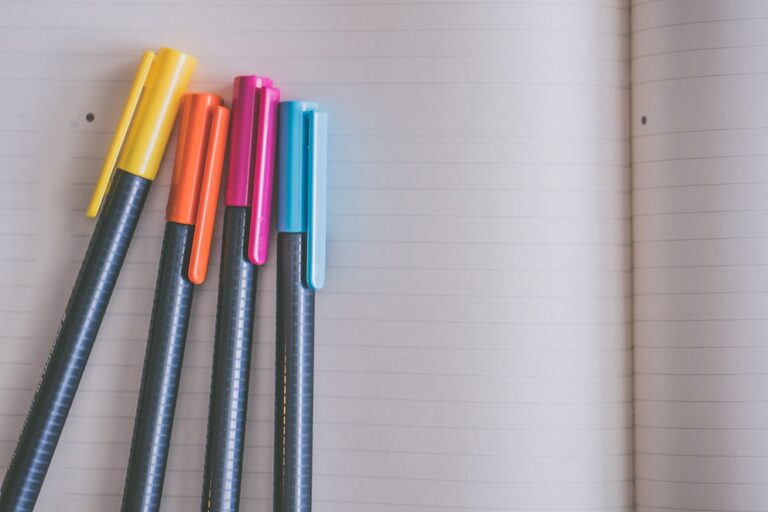
How to Choose a Notebook You’ll Actually Use Every Day
Choosing a notebook might seem like a simple task, but finding one that you’ll actually use regularly takes a bit more thought. Whether you want to jot down ideas, keep a journal, or organize your tasks, the right notebook can make a big difference in how often you reach for it. In this guide, we’ll explore how to select a notebook that suits your style, needs, and habits—helping you stay motivated and productive.
Why Choosing the Right Notebook Matters
A notebook is more than just paper—it’s a tool to capture your thoughts, notes, or plans. When you pick a notebook that matches your preferences and workflow, you’re more likely to use it consistently. On the other hand, a notebook that feels awkward or uninspiring can end up collecting dust.
Consider Your Purpose
Start by thinking about why you want a notebook. Your purpose will guide your choice in style, size, and features.
Common Notebook Purposes:
– Daily journaling: Reflect on your thoughts, feelings, or experiences.
– Work notes: Keep track of meetings, projects, or ideas.
– Creative writing or drawing: Sketch, doodle, or brainstorm.
– Planning and organizing: Plan your schedule or to-do lists.
– Study or research: Take notes and summarize information.
Knowing the main use helps narrow down features like page layout, size, and binding.
Choose the Right Size
Notebooks come in various sizes, and the one you pick should be easy to carry and use wherever you need it.
– Pocket-size (around 3.5″ x 5.5″): Great for quick notes on the go but limited writing space.
– A5 (5.8″ x 8.3″): Popular choice, portable yet roomy enough for daily use.
– A4 (8.3″ x 11.7″) or larger: Ideal for detailed notes, sketches, or layouts but less convenient to carry.
Think about how and where you’ll use your notebook most often—if you commute or travel frequently, a smaller size might be best.
Decide on the Binding Type
The way a notebook is bound affects how it opens and how easy it is to write in.
– Spiral-bound: Opens flat and folds back on itself, good for note-taking or drawing.
– Perfect bound (like a paperback): Sleek and durable but may not open flat.
– Sewn binding: Strong and can lie flat if well-made.
– Hardcover vs. Softcover: Hardcover notebooks protect pages better and offer a firm writing surface, while softcover notebooks are lighter and more flexible.
Try holding or flipping through notebooks to see which feel comfortable.
Pick the Paper Type and Quality
Paper quality influences your writing experience. Consider the thickness (measured in gsm), texture, and color.
– Thickness: Thicker paper (80-120 gsm) prevents ink bleed-through and feels more substantial.
– Texture: Smooth paper is great for pens, while textured paper can add character for pencils or markers.
– Color: White or cream-colored pages affect readability and eye comfort.
If you use specific pens, testing them on the paper can help avoid smudging or feathering.
Choose the Page Layout
The layout of the pages should support your writing style.
– Lined: Ideal for structured writing, notes, and journaling.
– Blank: Perfect for sketching, doodling, or free-form notes.
– Dotted: A flexible option offering subtle guides for writing or drawing.
– Grid: Useful for charts, diagrams, and precise note-taking.
Some notebooks offer a mix of layouts or customizable pages, which can be handy if you use your notebook for multiple purposes.
Consider Additional Features
Some extras can enhance your notebook’s usefulness:
– Page numbers: Good for indexing or referencing notes.
– Table of contents: Helps organize longer notebooks.
– Perforated pages: Easy to tear out notes.
– Built-in bookmarks or elastic bands: Helps keep your place or keep the notebook closed.
– Pockets: Keep loose papers or receipts organized.
Think about which features will make it easier for you to stay organized and keep track of your notes.
Match Your Style and Motivation
A notebook’s appearance can motivate you to write. Choose colors, cover designs, or materials that you find appealing.
– If you like a classic look, go for leather or simple hardcover notebooks.
– For a playful or creative vibe, colorful or patterned covers can be inspiring.
– Consider eco-friendly notebooks made from recycled materials if sustainability matters to you.
Selecting a notebook that feels good to use can make the process more enjoyable.
Test Before You Commit
If possible, try out different notebooks before buying. Many stationary stores let you flip through notebooks to feel the paper and binding.
Also, consider buying a small or inexpensive notebook first to test whether you’ll use it regularly before investing in a premium one.
Tips to Actually Use Your Notebook
– Keep it accessible: Carry it with you or keep it in a spot where you frequently work.
– Set a routine: Write in it daily or at specific times to build the habit.
– Use it for multiple purposes: Combine journaling, planning, and note-taking if that suits you.
– Personalize it: Add tabs, stickers, or drawings to make it feel special.
– Review and reflect: Look back on what you’ve written to stay motivated.
Conclusion
Choosing a notebook that you’ll actually use involves understanding your needs and preferences. Consider the purpose, size, binding, paper quality, and features that match your style and habits. When your notebook fits your lifestyle, you’ll find it easier and more enjoyable to capture your thoughts and stay organized every day.
Happy writing!
